







Search Results for: Light Tea Leaf Quantity
A Complete Guide to Chaoshan Gongfu Tea: Tea Leaf Quantity and the Eight-Step Brewing Method—From Choosing Utensils to Tasting Techniques
Chaoshan Gongfu Tea is a shining pearl in Chinese tea culture, originating from Chaozhou, Guangdong, and still preserving an ancient and pure brewing tradition to this day. Unlike the modern Gongfu tea popular today, Chaoshan Gongfu Tea emphasizes a high tea-to-water ratio and quick pours, brewing only three times to pursue the richest aroma and flavor. This article will introduce in detail the historical origins of Chaoshan Gongfu Tea, the tea-to-water ratio, the choice of tea utensils, and the complete eight-step brewing method, helping you master this traditional skill. Whether you are trying it for the first time or hoping to refine your technique, you will gain practical guidance from it. [more…]
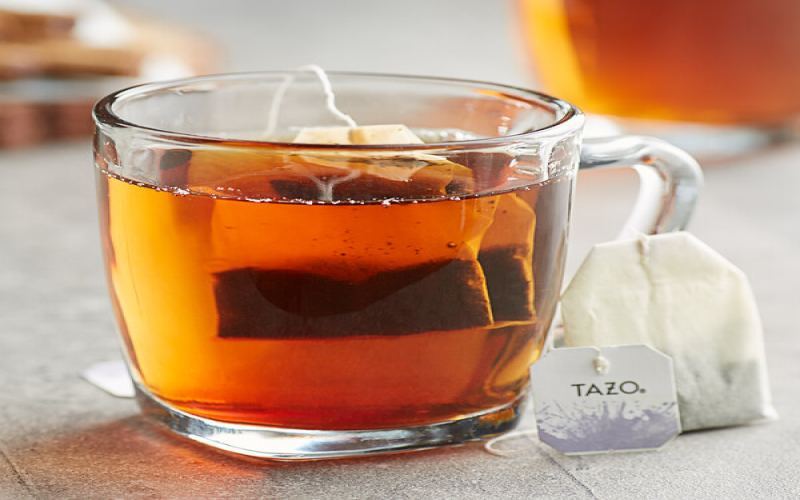
Common Misconceptions About Brewing Black Tea: Strong Tea Is Not the Same as Long Steeping—Get the Leaf-to-Water Ratio Right to Enjoy Great Flavor
Many people think that the longer tea is steeped, the stronger it becomes, but what they end up with is a bitter, undrinkable cup of tea. A truly strong cup of tea should be achieved by increasing the amount of tea leaves used, not by endlessly extending the steeping time. Starting from the definition of strong tea, this article explains why prolonged steeping makes tea bitter, the role that tannins play in this process, and offers reasonable leaf-to-water recommendations for both weak and strong tea. If you are also in the habit of steeping a small pinch of tea leaves for over ten minutes, it may be worth considering a more scientific approach to brewing. Front Street Coffee also suggests that for a cup of strong yet smooth black tea, adjusting the amount of tea is more effective than adjusting the time. [more…]

Luckin Light Milk Tea Accused of White Sediment at Bottom of Cup, Tea Powder Mixing and Production Process Raise Consumer Doubts
After Luckin officially announced Liu Yifei as its brand ambassador, the light jasmine milk tea quickly became a popular item. However, many consumers found white particles or sediment at the bottom of the cup after drinking it, and the mouthfeel was described as having a noticeable powdery texture. A Luckin employee revealed that the jasmine tea in the drink is actually made from tea powder rather than freshly brewed tea leaves, and that some stores, in order to speed things up, use stirring instead of shaking to mix it, which may leave the powder incompletely dissolved. Consumers, on the other hand, tend to believe the white powder comes from residual dairy products, raising doubts about ingredient quality. As of press time, Luckin has not given a clear response. [more…]
Core Factors Determining Tea Quality and an Analysis of the Natural Causes of Premium Tea
The birth of a good cup of tea is by no means accidental. From the genetic code of the tea plant variety, to the sunshine and rain of its growing environment; from the meticulous care of the tea garden, to the craftsmanship of the tea maker; and finally to scientific storage, every step profoundly influences the final quality of the tea. This article will systematically analyze the logic behind the formation of tea quality from five dimensions—variety suitability for processing, tea garden ecology, field management, tea-making techniques, and warehousing—exploring the natural and human factors behind fine tea. Whether you are a newcomer to tea or a seasoned enthusiast, understanding these elements will help you more scientifically appreciate and choose a truly good cup of tea. [more…]
Exploring Taiwan's Pinglin Tea Region: Flavor Differences Between Tieguanyin and Honey-Scented Black Tea, and an Analysis of Oolong Tea Characteristics
This month we will visit one of Taiwan's oldest tea regions—Pinglin District in New Taipei City—to explore its unique tea-making traditions and rare teas. Pinglin has been producing Puchong oolong tea since the 1880s. Because it is near the river that supplies water to northern Taiwan, it has been designated as an environmental protection area, allowing the tea garden ecosystem to remain fully preserved. In the past, when tea was dried, it was wrapped into square paper packets. This craft, introduced from Fujian, is called "bao cha" (wrapped tea). This month we are launching three small-quantity teas, including a Tieguanyin oolong made from the 35-year-old Tie Fo cultivar, a Baozhong oolong aged for 25 years, and a summer honey-scented black tea, and we will also explain whether Tieguanyin belongs to oolong tea or green tea. [more…]

Xiangpiaopiao Opens Its First Global Offline Milk Tea Store in Hangzhou, Freshly Brewed Instant Model Sparks Heated Consumer Discussion
Xiangpiaopiao's first global offline store recently officially opened in Hangzhou Hubin. Milk tea priced at 9 to 12 yuan, combined with a buy-one-get-one-free opening promotion, attracted a large number of consumers to queue up in the cold winter to try it. However, the store's preparation method surprised many people—staff did not shake and make the tea drinks on site, but instead opened instant tea packets, brewed them separately, and then mixed them with blending powder and toppings, which netizens jokingly called "hand-brewed instant milk tea." This model forms a sharp contrast with mainstream freshly made tea beverage brands, and has also triggered widespread discussion about the value of instant products versus freshly made milk tea. Whether Xiangpiaopiao can win over picky milk tea lovers with emotional value remains to be tested by the market. [more…]

A Complete Guide to Arabica Coffee Varieties: Comparing Major Origins and Flavors of Typica, Bourbon, Caturra, and More
In the world of specialty coffee, Arabica beans are the absolute protagonist. But did you know that under this species, there are many subdivisions such as Typica, Bourbon, Caturra, Catuai, and Geisha? Each has its own origin story, flavor characteristics, and suitable growing environment. Front Street Coffee has long been deeply involved in various producing regions, building a variety flavor database through cupping and roasting practice, hoping to use an easy-to-understand way to introduce you to the rich landscape of the Arabica family. This article will start with the legend of coffee's origin, compare the pros and cons of Arabica and Robusta, then explain in detail representative varieties such as Typica, Bourbon, Caturra, Catuai, Geisha, Kona, and SL28/SL34 one by one, and include Front Street Coffee's roasting curves and brewing suggestions, so you can understand the variety lineage and flavor differences of Arabica coffee all at once. [more…]
Kenya Coffee Prices and Wholesale Market Analysis: A Detailed Explanation of Kenyan Coffee Bean Grading Standards
Kenya, as an important coffee-producing country in East Africa, is known for its bright fruit acidity and rich flavors, making it a favorite among many coffee lovers. This article will focus on the price of Kenyan coffee, introducing the approximate wholesale range for green beans as well as the retail pricing of Front Street Coffee's Kenyan coffee. At the same time, it will sort out Kenya's coffee-growing conditions, historical context, and the characteristics of major varieties such as SL28 and SL34, and provide a detailed interpretation of Kenya's coffee grading system, including the meaning and differences of common grades such as AA, AB, and PB, helping readers gain a comprehensive understanding of the coffee profile of this classic African origin. [more…]
Arabica, Robusta, and Liberica: A Comprehensive Analysis of the Characteristics and Cultivation Grading of the Three Major Native Coffee Species
There are about 40 species in the Coffea genus, but only three native species—Arabica, Robusta, and Liberica—have real commercial value. They differ markedly in appearance, flavor, disease resistance, suitable altitude, and cultivation conditions: Arabica is elegant yet delicate, Robusta is hardy and intense, while Liberica is limited to localized trade in West Africa. Starting from botanical characteristics, this article systematically sorts out the origin distribution, climate and soil requirements, the complete cultivation process from sowing to harvesting, and the grading systems that producing countries have formed based on altitude, screen size, and defect bean ratios. Whether you are new to specialty coffee or want to understand the logic of origins more deeply, this foundational knowledge will help you more clearly judge the variety and terroir code behind the flavor in your cup. Front Street Coffee will also combine the key points in this article to recommend directions for your everyday purchases. [more…]
A Complete Guide to Coffee Bean Grades and Variety Tiers: Where Do Arabica and Canephora Stand?
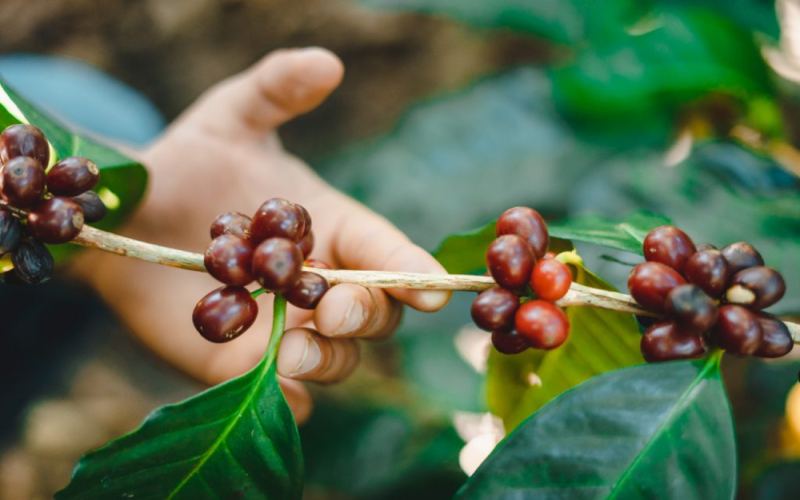
For friends who are just getting into coffee, the difference between Arabica and Canephora (Robusta), and the quality tier each occupies, are often the first questions they encounter. Starting from plant taxonomy, this article sorts out the output share, disease resistance, and flavor characteristics of the world's major cultivated coffee varieties, and introduces one by one the varietal composition and flavor trends of representative Arabica-producing regions such as Brazil, Colombia, Ethiopia, Kenya, Panama, Guatemala, Costa Rica, Jamaica, and Indonesia. The article also includes the specific parameters and flavor descriptions of Front Street Coffee's everyday beans from various regions, helping readers build a complete cognitive framework from variety to producing region. [more…]
What Is Indian Monsooned Coffee (Monsooned Malabar)? A Full Analysis of Its Region, Varieties, Processing Method, and Brewing Flavor
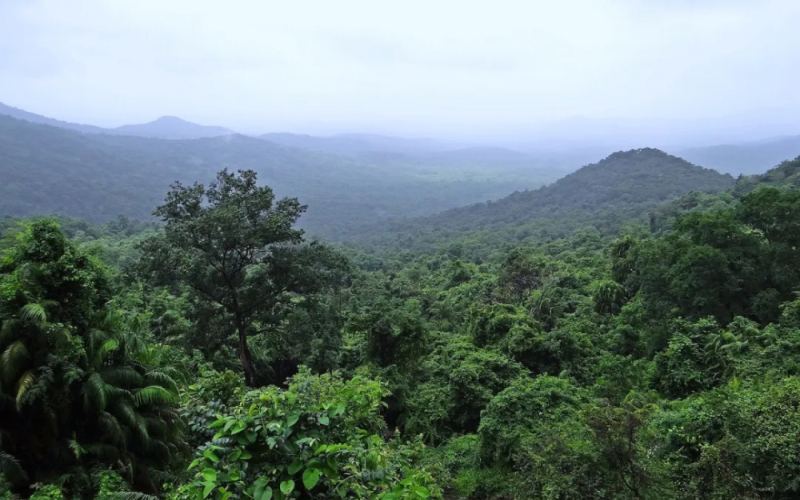
When it comes to Asian coffee, most people first think of Indonesian Mandheling, but India also has a bean full of mystery—monsooned coffee, also called monsoon coffee or Malabar coffee. Its flavor does not come from artificial fermentation or sun-drying; instead, it relies on the hot, humid southwest monsoon winds of the Indian Ocean to make green beans swell and change color over weeks to months, reducing acidity and developing a unique profile reminiscent of nuts, grains, and genmaicha. Front Street Coffee will guide you through its origins, the Malabar region, its ports, the monsooning process, the characteristics of varieties such as Kents/S795/Catimor, and include roasting curves plus brewing comparisons using siphon, AeroPress, French press, and Kalita dripper, so you can understand this Indian curiosity—a bean that “depends on the heavens”—in one article. [more…]
A Comparative Look at Africa's Coffee Duo: Flavor Profiles and Origin Stories of Rwandan and Tanzanian Coffee Beans
African coffee is not only about the standout duo of Ethiopia and Kenya—Rwanda and Tanzania are equally distinguished origins. Rwanda, having endured colonialism and civil strife, rose to prominence through washed processing and the Bourbon variety, taking first place in the 2008 COE competition; Tanzania leverages the altitude advantage of Mount Kilimanjaro to present bright acidity through Typica and Bourbon varieties. Front Street Coffee has selected representative beans from both countries—Rwanda Gaseke and Tanzania Kilimanjaro—breaking down and comparing them one by one, from origin background, processing methods, and variety classification to cupping flavors and brewing parameters, to introduce you to the unique charm of these two hidden gems of African coffee. [more…]
African Coffee Showdown: An Analysis of the Flavor Differences and Distinct Characteristics of Rwandan and Tanzanian Coffee
On the map of African coffee, Ethiopia and Kenya have long occupied the top two spots, but Rwanda and Tanzania also produce astonishingly high-quality beans. Front Street Coffee has specially compared two premium African beans side by side this time, sorting through their development history, cultivated varieties, processing methods, and cupping flavors one by one. Rwanda is mainly washed Bourbon, with bright acidity and prominent citrus-berry notes; Tanzania, relying on the high-altitude environment of Kilimanjaro, features Typica bringing a layered interplay of floral and nutty notes. The article also includes Front Street's roasting suggestions and brewing parameters, making it easy for coffee lovers to recreate the best expression of these two beans at home. [more…]
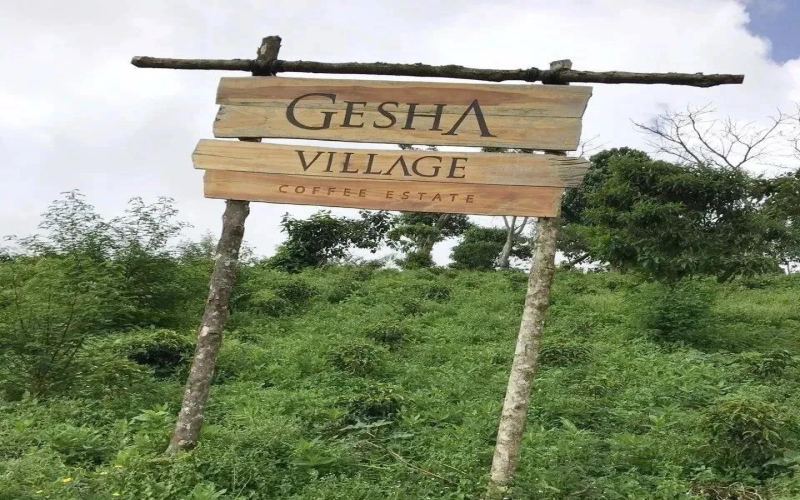
Ethiopia Gesha Village Gold Label Gesha Coffee Beans: A Complete Guide to Gori Gesha and Gesha 1931 Varieties
Although Geisha coffee became famous at Hacienda La Esmeralda in Panama, its roots can be traced back to the Geisha forest in southwestern Ethiopia. Gesha Village Coffee Estate, as a rare estate-level coffee producer in Ethiopia, follows the grading model of Hacienda La Esmeralda in Panama and classifies its Geisha coffees into five grades: Auction, Gold, Red, Green, and Chaka. This article will provide an in-depth introduction to the origin story of Gesha Village, its plot divisions, variety characteristics, and the brewing performance of Front Street Coffee's Gold Label Geisha from this year's new harvest season, giving you a comprehensive understanding of this Geisha 1931 coffee bean from the Oma plot, sun-dried for 32 days. [more…]
An Analysis of Indian Coffee Flavor Characteristics: A Comprehensive Overview of Five Major Varieties and the Monsoon Processing Method
India, as the first country in Asia to cultivate coffee, has a coffee industry with a unique historical trajectory and flavor profile. From Baba Budan bringing seven coffee seeds back to his homeland in the 17th century to India now being the world's fifth-largest coffee producer, Indian coffee has always been known for its full body and herbal notes. This article will guide you through India's coffee-growing environment and the distribution of its main producing regions, provide a detailed analysis of the characteristics of five major varieties—Kent, S795, S274, Sln C×R, and Catimor—and take an in-depth look at the renowned Monsooned Malabar, the golden, acid-free coffee that was accidentally born from maritime trade, as well as Front Street Coffee's professional recommendations for roasting and brewing it. [more…]
From coffee origin legends to the full growing and processing journey: a detailed guide to variety classification, brewing recipes, and health benefits
Coffee, derived from the Greek word "Kaweh," means "strength and passion." This article systematically traces the journey of coffee from the shepherd's legend to its global spread, explains in detail the characteristics and origins of the three major species—Arabica, Robusta, and Liberica—surveys classic single-origin coffees such as Blue Mountain, Colombia, and Mocha along with more than thirty flavored coffee recipes, introduces the varietal composition of Yunnan coffee, and provides an in-depth explanation of the entire process of coffee cultivation, primary processing, and roasting techniques, as well as the many health benefits and drinking contraindications of coffee. Whether you are a beginner just starting out or a seasoned enthusiast, you can gain practical knowledge and tasting inspiration from it. [more…]
Why Are Arabica Coffee Bean Prices Staying So High? A Full Analysis of Specialty Bean Flavors and Grading Across Origins
Why are Arabica coffee beans priced higher? This article approaches the topic from plant taxonomy, analyzing the differences among the three major cultivated species—Arabica, Robusta, and Liberica—explaining why Arabica has superior flavor but weak disease resistance and is suited to high-altitude cultivation, and introducing one by one the varieties grown, processing methods, and grading standards of well-known origins such as Brazil, Colombia, Panama, Guatemala, Costa Rica, Jamaica, Ethiopia, Kenya, and Indonesia. At the same time, combined with Front Street Coffee's stores and bean list recommendations, it helps coffee enthusiasts understand the pricing logic of Arabica and how to choose. [more…]
A Beginner's Guide to Coffee Varieties: Arabica Coffee's Characteristics, Sub-varieties, and Major Global Producing Regions
In the world of coffee, Arabica and Robusta are the two most frequently mentioned varieties, and the former almost represents the mainstream direction of specialty coffee. This article starts from plant taxonomy to sort out Arabica's varietal characteristics, flavor advantages, and disease-resistance weaknesses, and introduces one by one the planting varieties, processing methods, and grading standards of representative origins such as Brazil, Colombia, Panama, Guatemala, Costa Rica, Jamaica, Ethiopia, Kenya, and Indonesia. At the same time, it combines Front Street Coffee's store selection and recommended bean list to help readers build a complete cognitive framework from variety to origin. [more…]
Varietal Characteristics and Origin Distribution of Yunnan Small-Bean Coffee: Flavor Evolution from Typica to Catimor
Yunnan small-batch coffee beans are often mentioned on the market. They originally belonged to the Typica variety, but today the vast majority of what is grown in Yunnan's producing regions is Catimor. Why has there been such a shift? Front Street Coffee examines the origins and flavor profile of Yunnan coffee from multiple angles, including variety characteristics, producing region distribution, and processing methods. The article covers the characteristics of the four major producing regions—Lincang, Baoshan, Pu'er, and Dehong—the differences among the three major varieties Typica, Bourbon, and Catimor, and the influence of natural and washed processing methods on flavor. In addition, it introduces Front Street Coffee's own estate in Yunnan, the 2021 new-crop natural Typica, and the roasting and cupping records of two Yunnan beans, providing coffee lovers with a complete guide to Yunnan coffee. [more…]
Arabica Coffee Bean Buying Guide: Major Origin Brand Recommendations and the Deep Reasons Why Prices Are Higher Than Robusta
Why are Arabica coffee beans generally more expensive than Robusta? Which Arabica origins around the world are worth paying attention to? Starting from plant taxonomy, this article systematically sorts out Arabica's flavor advantages and cultivation shortcomings, and introduces one by one the variety characteristics, processing methods, and grading standards of core producing regions such as Brazil, Colombia, Panama, Guatemala, Costa Rica, Jamaica, Ethiopia, Kenya, and Indonesia. At the same time, drawing on the store selection experience of Front Street Coffee, it provides coffee lovers with a complete cognitive framework from producing region to cup, helping you find the one that suits your taste among a dazzling array of bean lists. [more…]